War and literature have shared an ageless and classic relationship ever since The Iliad. Helen (of Troy) is a mythical woman celebrated less for her jaw-dropping beauty than for her stunning charisma, the face (and majesty) that “launched a thousand ships”. Similarly, no fiendish war machine is more famous than the Trojan horse.
Military adventures, as much as literature, repeat an old tale. In Trotsky’s famous bon mot, war is the locomotive of history. Today, more than a hundred years after the Russian revolution, that ferocious engine, still driven by Moscow, continues to threaten, or devastate, some of the most strategic (and scenic) parts of Europe.
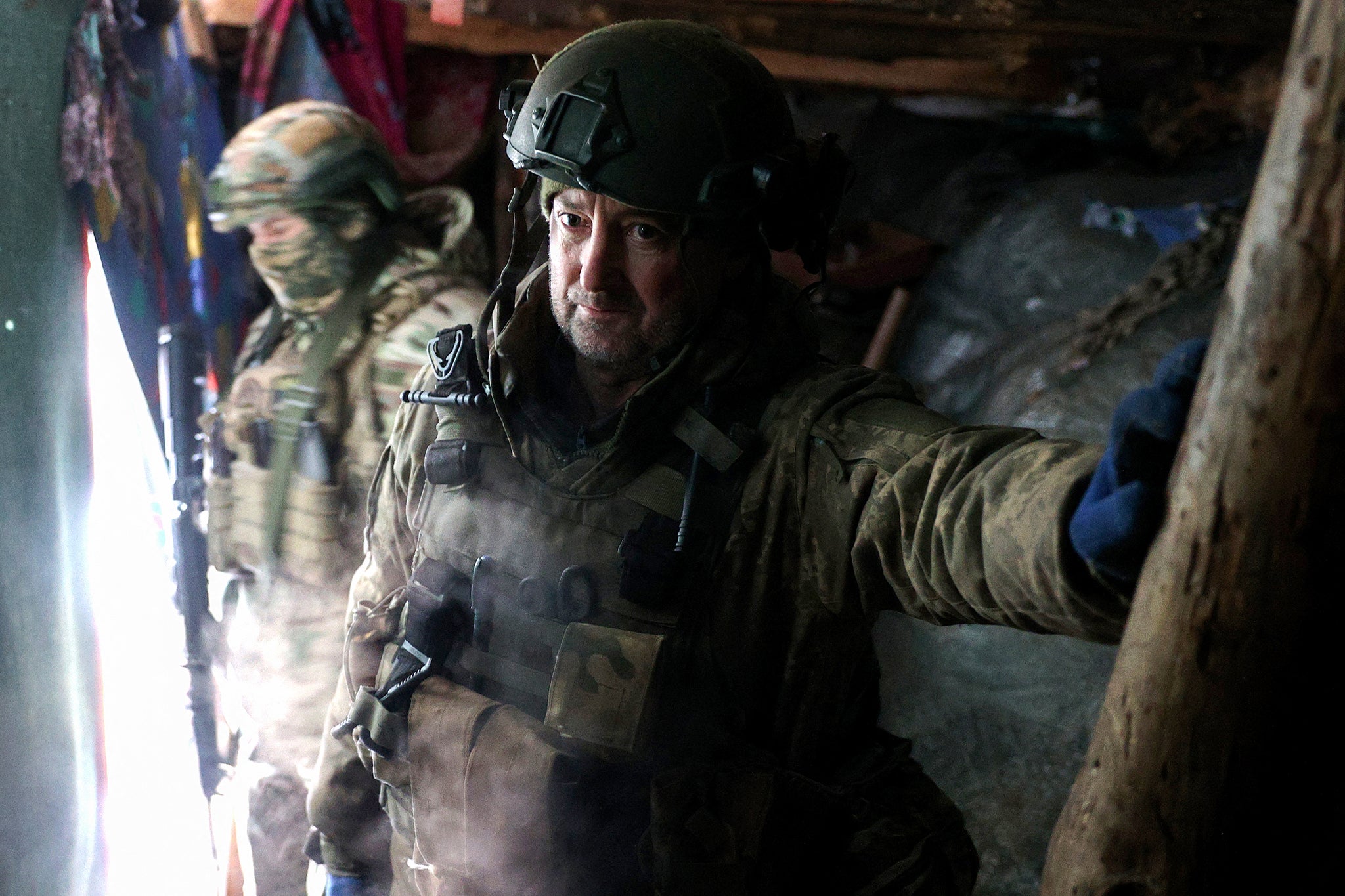
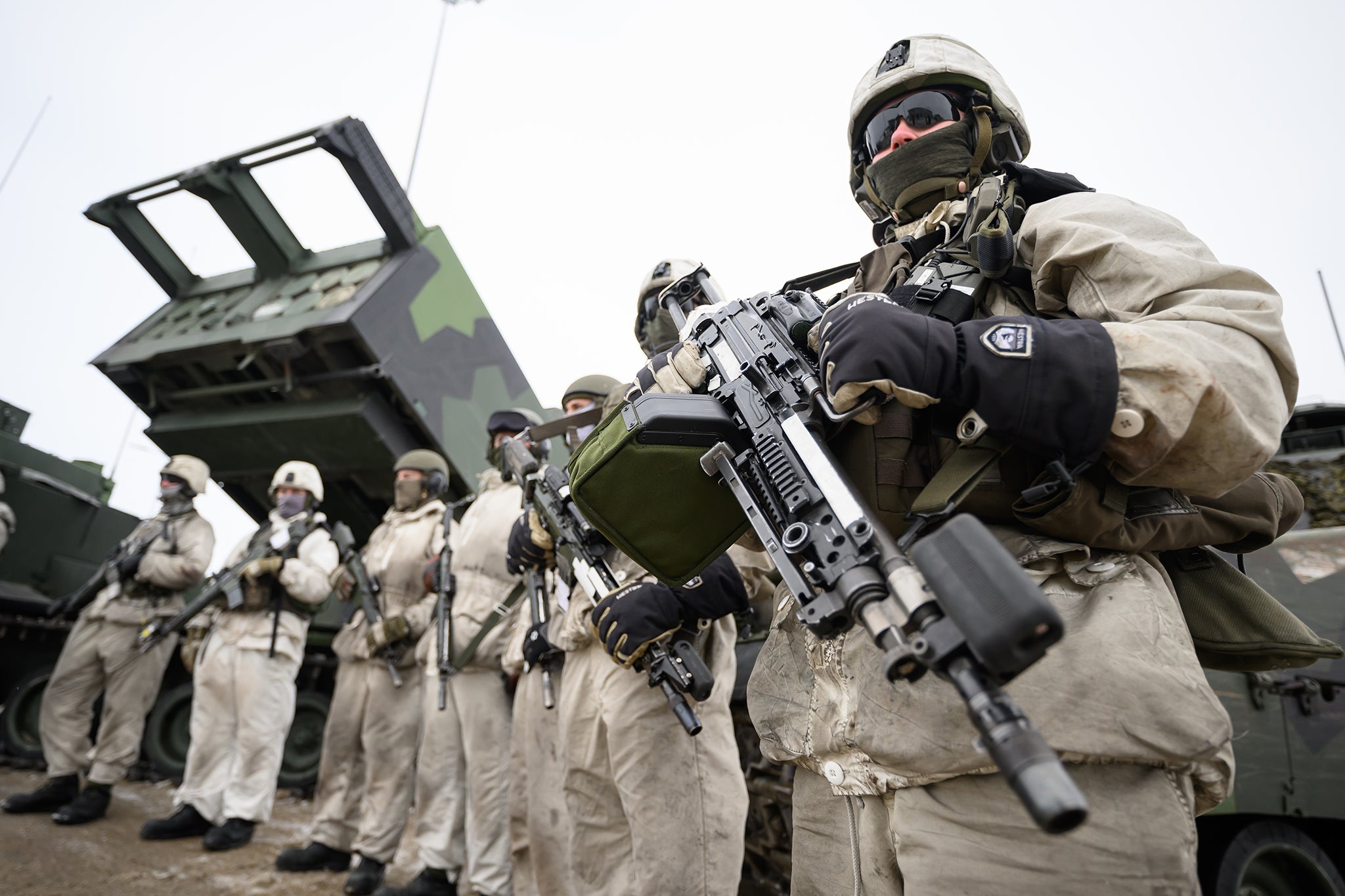
Eastern Ukraine has been reduced to a hellscape reminiscent of 1916 Flanders. Far to the frozen northwest, along 190 miles of Finland’s North Karelia border on the exposed Nato-Russia frontier, with its dense pine and silver birch forests, Finnish forces now rehearse guerrilla warfare against a potential Russian offensive that many expect to happen in the near future. For the vigilant Finns, the odds are just as atrocious as they were the last time enemy troops materialised out of a snowstorm. Finland can barely muster 900,000 fighting men from a population of 5.6 million.
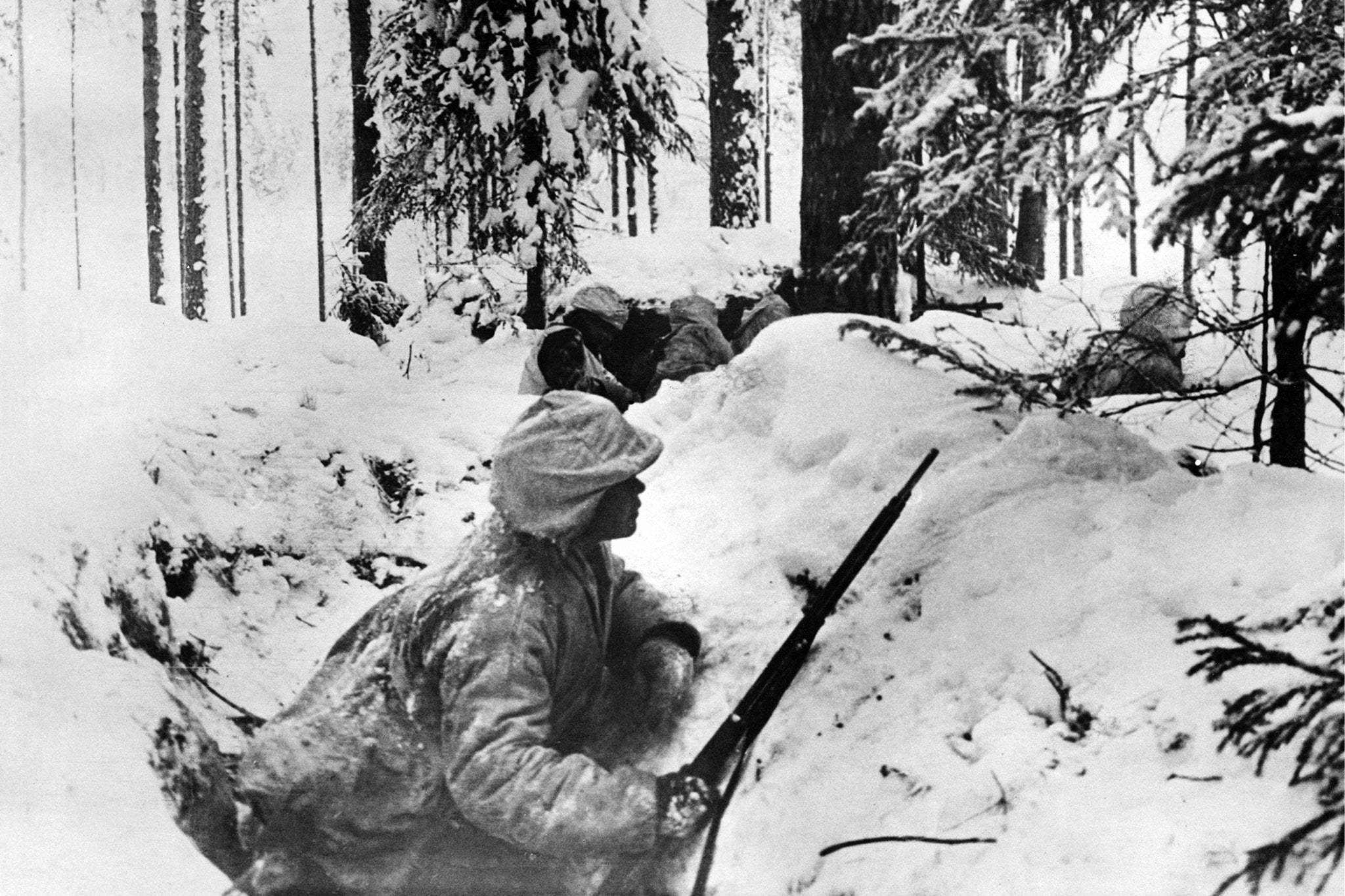
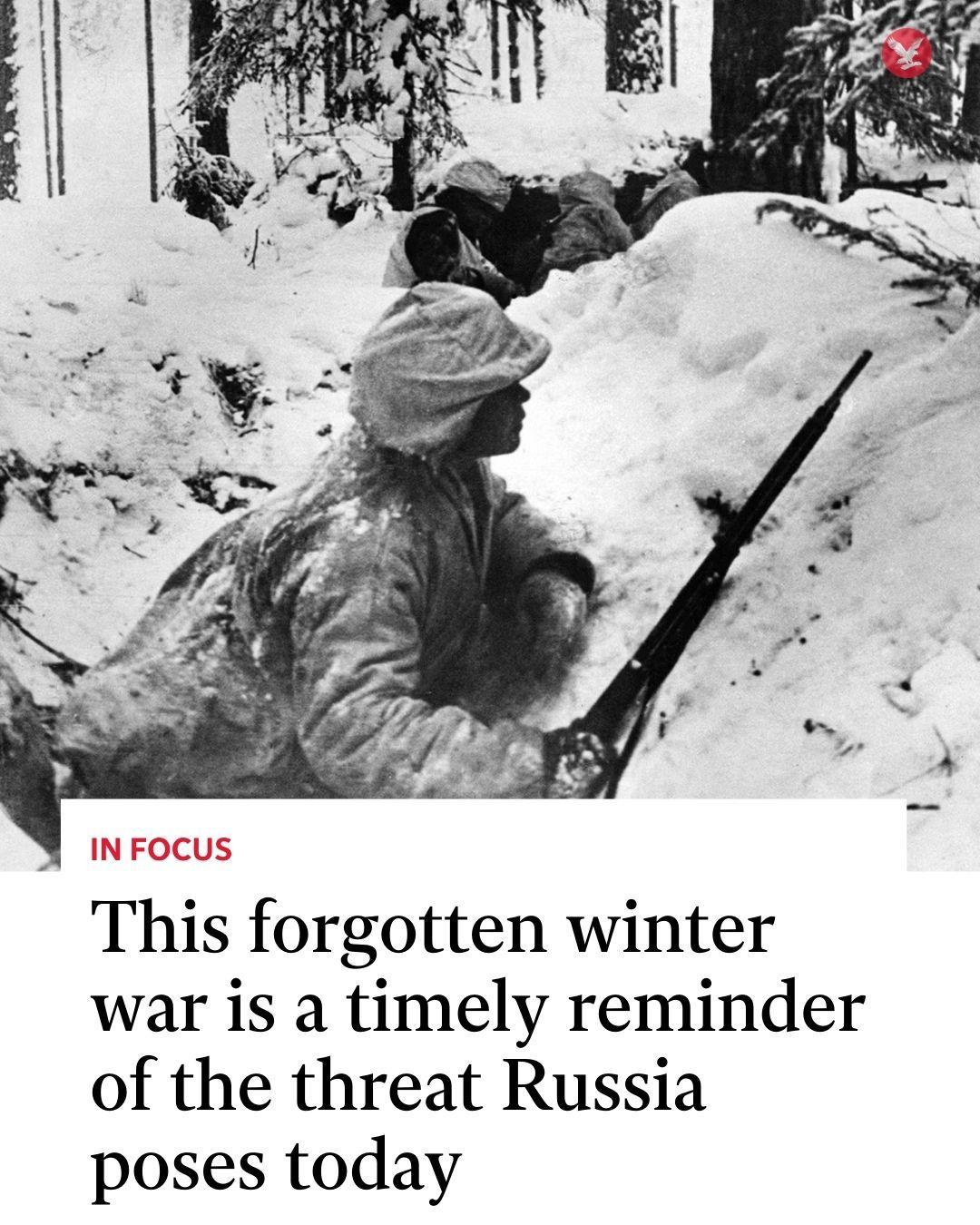
Their preparations are a conscious re-enactment of a brutal David-and-Goliath campaign from 1939-40, the forgotten “Winter War” in which Stalin’s Soviet army advanced on Finland, expecting, like Putin in Ukraine, a quick victory. Three months later, it was over, but not as Stalin had hoped. It’s here that literature becomes braided with conflict once again.
The epic, and intimate, story of how Finland mounted a last-ditch resistance against the Red Army, often in merciless battle conditions of -40C, is every bit as gripping and heroic as some other, more famous military actions from the Second World War. Before the Soviet Union, baffled and finally broken by Finnish resistance, signed a peace treaty in March 1940, it had lost more than 130,000 soldiers. And Finland had forged its own imperishable myth of national defiance against overwhelming odds.
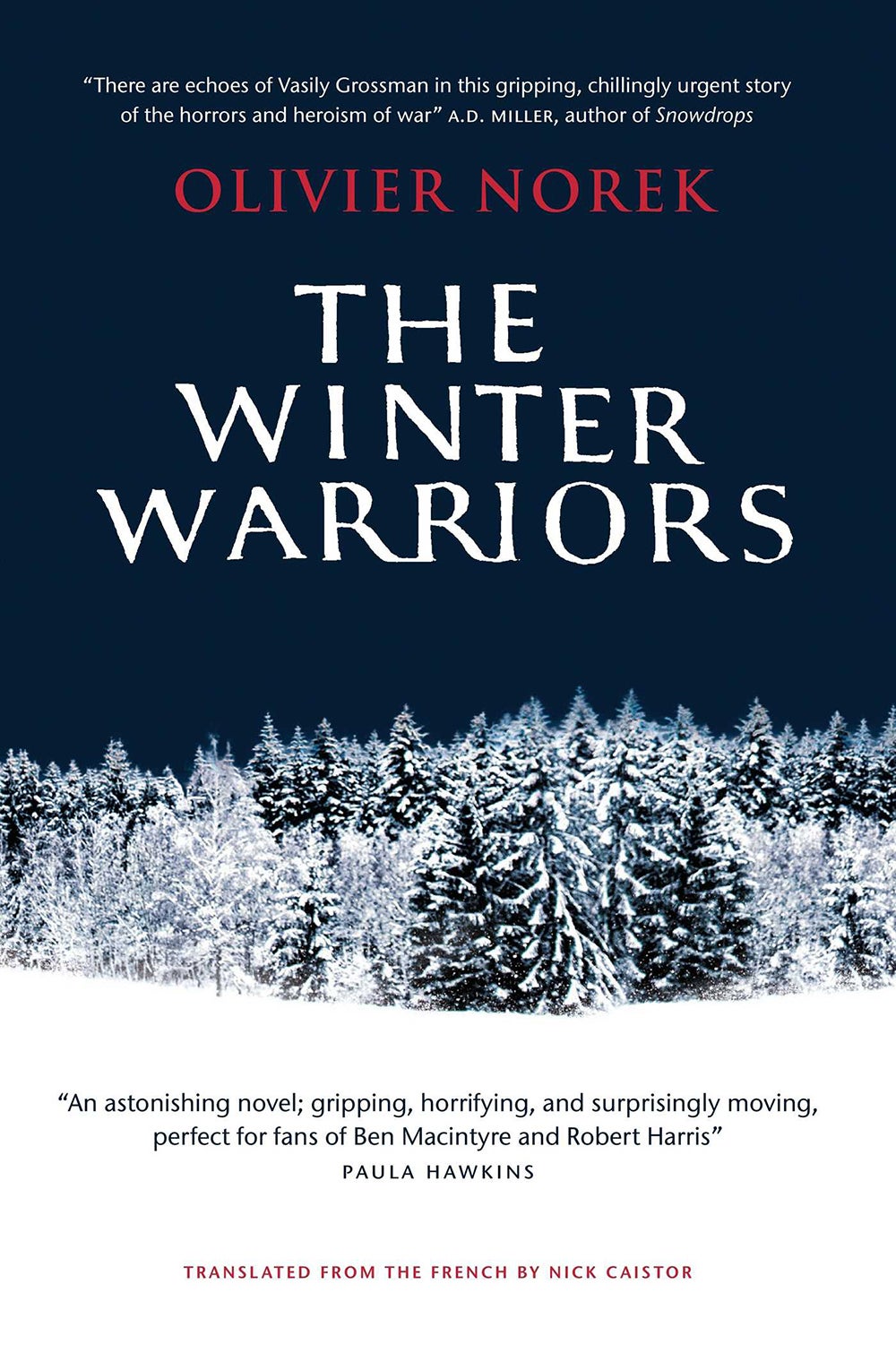
The Winter Warriors is the timely, thrilling, and deeply affecting novel of this extraordinary national cliffhanger, the work of the award-winning French crime writer Olivier Norek. The hellish events described in this documentary novel took place on the ice fields at Petsamo and as far north as Lapland. Norek, who undertook some gruelling research for this story on location in brutal, sub-arctic conditions, reports an exchange of some 20 million shells during a 90-day campaign in which “the Earth almost cracked”.
He goes on: “Tank columns against old-fashioned rifles. A million Red Army soldiers against workers and peasants. But past conflicts tell us it takes five soldiers to face a single man fighting for his land, his home country and his own people, hands clutching a carbine, a sentinel behind the door of his barricaded farm … A single man can change the course of history.”
This historical thriller, animating the forgotten horrors and heroism of real soldiers and actual battles from the Finnish-Soviet war, tells the story of the legendary sniper Simo Häyhä, whose awesome marksmanship earned him the accolade “The White Death”. And, of course, it also chimes with Russia’s brutal stalemate in the eastern provinces of Ukraine.
Combining fascinating reportage with actual and imagined conversations, this page-turner falls into a genre of new fiction in which the vérité of events becomes subordinated to Norek’s brilliant character-study of a shy but natural-born killer. Students of contemporary fiction will find a similar manipulation of newsprint, imagination, and archives in Ben Macintyre’s recent thriller The Siege.
Norek, who is not yet well known to British readers, is a literary phenomenon in France, a winner of the Prix Renaudot, and a writer who turned to crime fiction after 18 years in the police. In The Winter Warriors, he not only revels in what we might call the pornography of war – soldiers reduced to a pink mist; the stench of death in disabled tanks; the incineration of tank crews inside horrific fireballs; he also gets under the skin of his humble hero marksman who is inspired by sisu, an untranslatable word for the soul of Finland.
The appeal of this tour de force owes a lot to its intensity, brilliance, and ferocity, but also to a deeply moving portrait of an accidental patriot who discovers that the way to save his country is to perfect the fine art of the sniper’s revenge: “The first kill of the day was always painful. The second anaesthetised whatever feelings of pity he still had; by the third, he was nothing more than a machine…”
The Finnish-Soviet war may have become neglected in the West, though not in Finland. To European readers, dismayed by the stand-off in Ukraine, it offers a timely history lesson in the limits of Russian aggression.
It closes with an ironic reflection: that the Red Army’s humiliation “attracted the attention of Adolf Hitler in the way that a wounded animal entices a predator”. The Führer had planned to attack the Soviet Union only once he had secured his grip on the West. Instead, having watched Russian forces disintegrate in the face of the Finnish counterattack, Hitler changed his plans to launch Operation Barbarossa, the largest invasion in military history, which met its doom at Stalingrad. Who knows what we owe to the Finnish heroes of the Winter War?
‘The Winter Warriors’ by Olivier Norek (Open Borders Press, £18.99)