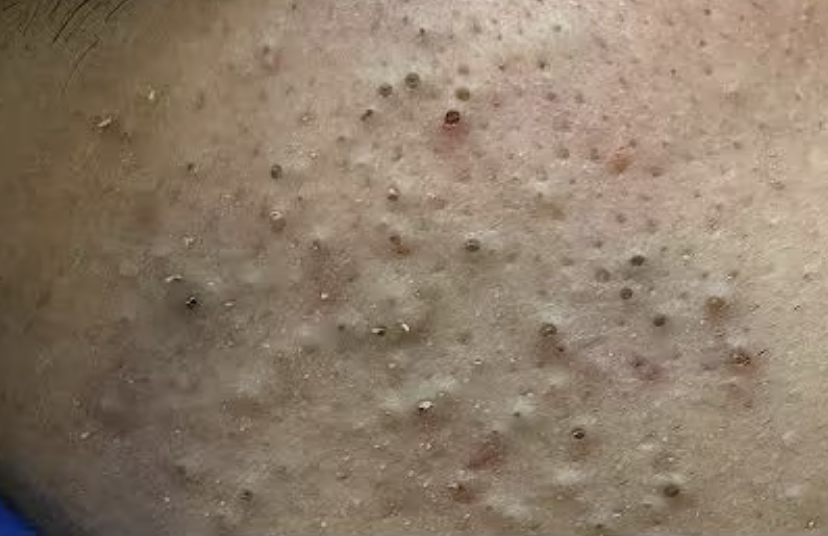
This is a comprehensive, deep-dive guide designed to be your ultimate resource for understanding, treating, and preventing acne. This guide covers the biological mechanisms, ingredient science, lifestyle factors, and advanced skincare protocols.
The Ultimate Guide: Removing and Protecting Against Acne
From Root Causes to Radiant Skin
Acne is the most common skin condition in the world, affecting nearly 10% of the global population at any given time. While often dismissed as a teenage phase, adult acne is prevalent and can be psychologically debilitating.1
This guide is not just about “washing your face.” It is a systematic approach to skin health, focusing on Barrier Repair, Inflammation Control, and Follicular Health.
Phase I: Understanding the Beast (The Science of Acne)
To defeat the enemy, you must understand how it operates. Acne (Acne Vulgaris) is a disorder of the pilosebaceous unit (the hair follicle and the oil gland).2
1. The Formation Timeline
Acne does not appear overnight.3 The pimple you see today started forming weeks ago. The process involves four distinct factors:
- Follicular Hyperkeratinization: Normally, dead skin cells inside your pore shed and are pushed to the surface by oil.4 In acne-prone skin, these cells become sticky and clump together, creating a plug (microcomedone).
- Excess Sebum Production: Your sebaceous glands produce too much oil, usually driven by hormones (specifically androgens like testosterone).5
- Bacterial Proliferation: A bacterium called Cutibacterium acnes (C. acnes), which lives on everyone’s skin, thrives in this oxygen-free, oily environment behind the plug.6
- Inflammation: The body recognizes the bacteria overgrowth and sends white blood cells to attack it.7 This causes redness, swelling, and pus.
2. Decoding the Types of Acne
You cannot treat all acne the same way. Identifying your specific type is critical for choosing the right weapon.
| Acne Type | Classification | Appearance | What’s Happening? |
| Whiteheads | Non-Inflammatory | Small, flesh-colored or white bumps. | The pore is clogged but closed to the air. |
| Blackheads | Non-Inflammatory | Small dark dots (not dirt!). | The pore is clogged but open. Oxidation turns the oil dark. |
| Papules | Inflammatory | Pink, tender bumps. No visible fluid. | The follicle wall has broken, and inflammation has set in. |
| Pustules | Inflammatory | Red ring with a white/yellow center. | White blood cells (pus) have accumulated to fight infection. |
| Nodules | Severe | Large, hard lumps deep under the skin. | The infection is deep in the dermis. Can cause scarring. |
| Cysts | Severe | Large, soft, fluid-filled, painful lumps. | The most severe form. High risk of permanent scarring. |
Phase II: The Removal Strategy (Active Treatment)
This section focuses on how to handle active breakouts. The goal is to clear the pore and reduce inflammation without destroying the skin barrier.
1. The Gold Standard Ingredients
Forget home remedies like toothpaste or lemon juice; they cause chemical burns. Rely on science-backed actives.
Benzoyl Peroxide (BPO)
- Function: It is antimicrobial. It introduces oxygen into the pore, killing C. acnes bacteria (which are anaerobic and die in oxygen).
- Best For: Inflammatory acne (papules and pustules).8
- How to Use: Use a lower percentage (2.5% or 5%). Studies show 2.5% is as effective as 10% but with significantly less irritation. Use as a wash-off treatment to prevent bleaching fabrics.
Salicylic Acid (BHA)
- Function: It is oil-soluble. Unlike other acids that only exfoliate the surface, BHA penetrates into the pore lining to dissolve the “glue” holding dead cells together.9
- Best For: Blackheads, whiteheads, and clogged pores.
- How to Use: Look for 2% concentration in a toner or serum.
Retinoids (Adapalene, Tretinoin, Retinol)
- Function: The absolute powerhouse of acne care. They speed up cell turnover, preventing dead cells from clogging the pore in the first place.10
- Best For: All types of acne, texture issues, and scarring.
- How to Use: Start slow (twice a week) at night. Adapalene (Differin) is the best OTC option for acne. Tretinoin is prescription strength.11
Azelaic Acid
- Function: A gentle acid that kills bacteria, reduces inflammation, and inhibits melanin (preventing dark spots).
- Best For: Sensitive skin, rosacea-prone skin, and post-acne marks.
2. The “Emergency” Protocol
You have a massive pimple, and you have an event tomorrow. Here is what to do (and what NOT to do).
- DO NOT POP: Squeezing forces bacteria deeper into the dermis, turning a 3-day pimple into a 3-week nodule and a permanent scar.12
- Hydrocolloid Patches: These are “pimple stickers.”13 They suck out fluid (pus/oil) and create a moist healing environment. They also prevent you from picking.
- Ice: If it is a deep, painful cyst, ice it for 1-minute intervals to reduce swelling.
- Cortisone Shot: For immediate removal of a cyst, a dermatologist can inject dilute cortisone.14 The pimple will vanish in 24 hours.
Phase III: The Protection Strategy (Prevention Routine)
Removing acne is a battle; preventing it is the war. Prevention relies on a consistent routine that balances Exfoliation with Hydration.
Crucial Concept: The Moisture Barrier
If you strip your skin with harsh soaps, your skin creates more oil to compensate. A damaged barrier lets bacteria in and moisture out. Hydrated skin heals faster.
The Ideal Acne-Fighting Routine
Morning (AM): Protection & Prevention
- Cleanse: Use a gentle, pH-balanced cleanser. If you have very oily skin, you can use a Salicylic Acid cleanser here.
- Treat (Optional): Apply a Vitamin C serum (helps fade scars) or Azelaic Acid.15
- Moisturize: Yes, oily skin needs moisturizer.16 Look for “oil-free” or “non-comedogenic” gel creams.
- Sunscreen (SPF 30+): Non-negotiable. Acne medications make you sensitive to the sun.17 UV rays darken acne scars, making them last months longer.
Evening (PM): Repair & Active Treatment
- Double Cleanse:
- Step 1: Use an oil cleanser or micellar water to break down SPF and sebum. (Oil dissolves oil).
- Step 2: Use a water-based cleanser to wash it all away.
- The “Active” Step: Apply your treatment. Choose ONE main active to avoid chemical burns.
- Option A: Retinoid (Pea-sized amount).
- Option B: Benzoyl Peroxide.
- Option C: Exfoliating Acid (AHA/BHA).
- Note: Do not mix Retinoids with AHAs/BHAs on the same night. Cycle them (Skin Cycling).
- Moisturize: A slightly richer moisturizer to lock in hydration overnight.
Phase IV: Internal Factors (Diet & Lifestyle)
Topical treatments address the symptom; lifestyle changes address the fuel.
1. The Diet-Acne Connection
While “greasy food causes acne” is largely a myth, two food groups are scientifically linked to acne severity:
- High Glycemic Index (GI) Foods: Sugar, white bread, soda, and processed carbs cause rapid insulin spikes.18 Insulin increases androgen production, which increases oil production.19
- The Fix: Switch to complex carbs (whole grains, sweet potatoes) and reduce sugar.
- Dairy (Specifically Skim Milk): Milk contains growth hormones meant for calves. These can interact with human hormones to trigger breakouts.
- The Fix: Try eliminating dairy for 3 weeks to see if your skin clears.
2. Cortisol and Stress
Stress triggers the adrenal glands to produce cortisol.20 Cortisol causes sebaceous glands to go into overdrive. This is why you break out before exams or big presentations.
- Strategy: You cannot eliminate stress, but you can manage it. Sleep is the most effective acne treatment—it lowers cortisol and allows skin repair.
3. Hygiene Habits (The “Contact” Acne)
- Change Pillowcases: You drool and sweat on them. Change them every 2-3 days. Silk pillowcases generate less friction.
- Clean Your Phone: Your phone screen is dirtier than a toilet seat.21 Wipe it with alcohol daily.
- Face Towels: Do not use the family hand towel. Use disposable face towels or a fresh washcloth every single time.
Phase V: The Aftermath (Scars and Marks)
Once the acne is gone, it often leaves a ghost behind. Understanding the difference between a mark and a scar is vital.
1. PIE vs. PIH
- PIE (Post-Inflammatory Erythema): Red or pink marks.22 This is caused by dilated blood vessels. Common in lighter skin tones.
- Treatment: Time, Vascular Lasers, Azelaic Acid, Niacinamide.
- PIH (Post-Inflammatory Hyperpigmentation): Brown or dark spots. This is caused by melanin overproduction. Common in darker skin tones.
- Treatment: Vitamin C, Retinoids, Sunscreen (critical), Alpha Arbutin.
2. Atrophic Scars (Texture)
If the acne destroyed collagen, you get indented scars (Ice pick, Boxcar, Rolling).
- Topicals won’t fix this. No cream can fill a hole.
- Professional Treatments:
- Microneedling: Creates micro-injuries to stimulate collagen regrowth.
- TCA Cross: High-strength acid placed precisely in deep scars.
- Laser Resurfacing (CO2 or Fraxel): Removes layers of skin to smooth texture.
Phase VI: Acne Myths That Ruin Your Skin
Myth 1: “It gets worse before it gets better.”
- Fact: Only partially true. When starting Retinoids, you may “purge” (breakouts surface faster) for 4-6 weeks.23 However, if you are breaking out in new areas or burning, that is irritation, not purging. Stop using the product.
Myth 2: “Sunbathing clears acne.”
- Fact: The sun suppresses the immune system, temporarily reducing redness.24 However, it thickens the top layer of skin (hyperkeratosis), leading to more clogged pores and severe breakouts weeks later, plus permanent sun damage.
Myth 3: “You need to dry out the pimple.”
- Fact: Drying out the skin damages the moisture barrier.25 When the barrier is damaged, bacteria penetrate easier. You want to treat the acne while hydrating the skin.
Phase VII: Summary Checklist for Clear Skin
If you are overwhelmed, start here. This is your roadmap.
- Identify: Is it hormonal? Cystic? Comedonal?
- Simplify: Stop using 10 products. Go back to Cleanser, Moisturizer, SPF.
- Introduce Actives: Add one active ingredient (Salicylic Acid or Benzoyl Peroxide) slowly.
- Don’t Pick: Buy pimple patches to stop your hands.
- Hydrate: Drink water and use a moisturizer.
- Patience: Skin cycles take 28 days. Any treatment takes at least 3 months to show true results.