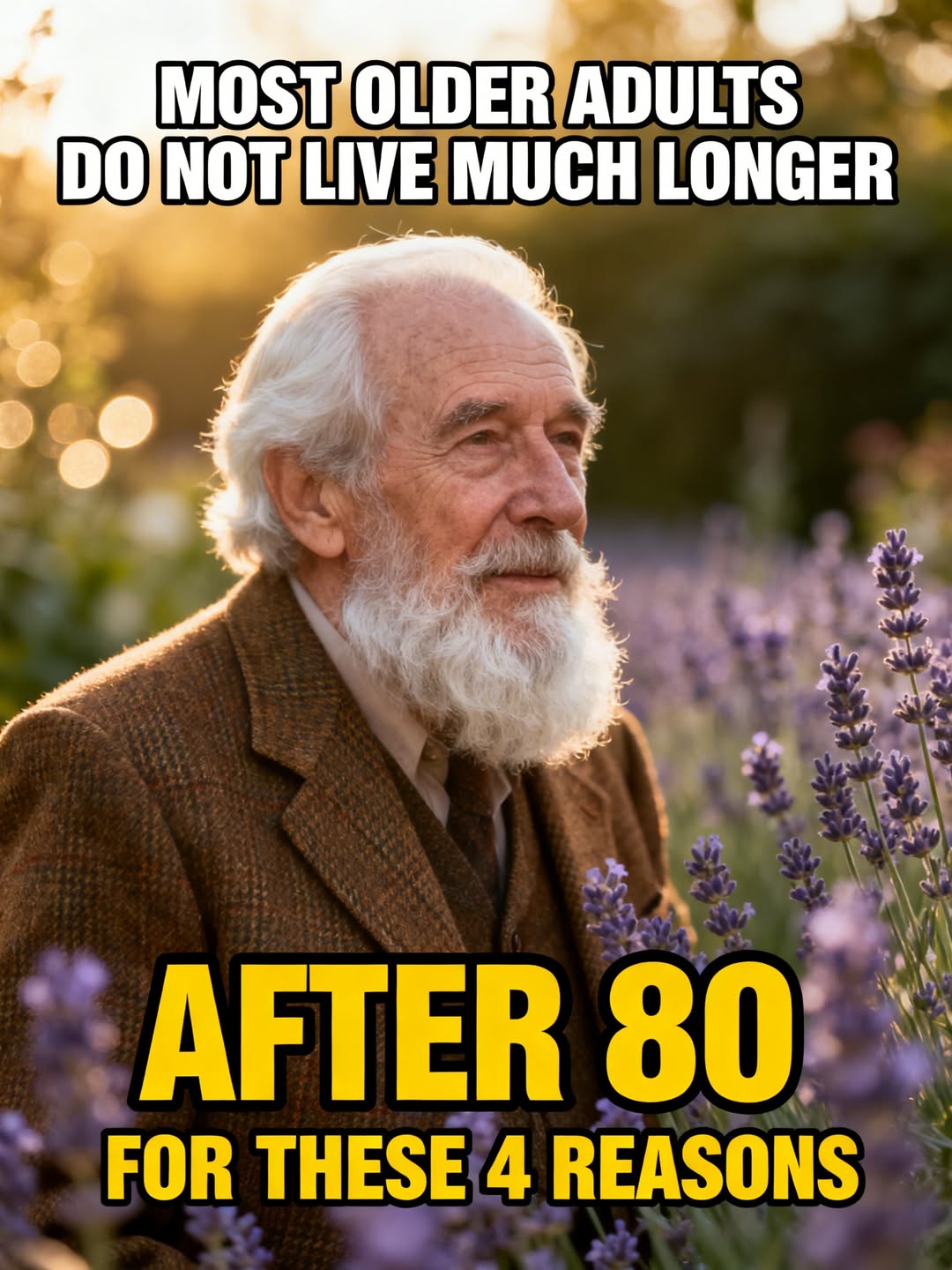

Reaching the age of 80 is already a significant achievement. However, what truly makes a difference is not just getting there, but how life is lived afterward. While some people maintain energy, clarity, and joy even into their 90s, others begin to fade much earlier.
The difference is not solely due to genetics. Often, it is everyday decisions, simple habits, and emotional factors that determine the quality and length of life in old age.
Below are the four main reasons why many older adults lose vitality after 80… and what you can do to prevent it.
1. Loss of purpose in life
One of the most decisive factors in aging is not physical, but emotional: the lack of a reason to get up each day.
People who maintain a sense of purpose, no matter how small, tend to preserve better mental and physical health. It’s not about big goals, but having something that gives meaning to the daily routine: taking care of a plant, helping someone, having a pet, or participating in an activity.
When that purpose disappears, so does motivation. Over time, this directly affects energy levels, mood, and even the immune system.
Those who feel useful or needed have more reasons to stay active and engaged with life.
2. The silent impact of social isolation
Loneliness is one of the most dangerous enemies in old age, and it often goes unnoticed.
As the years pass, social circles tend to shrink: friends who are no longer there, busy family members, or distances that make contact difficult. Gradually, interactions decrease… until days become repetitive and quiet.
Isolation not only affects emotional well-being, but also has physical consequences. It can weaken the immune system, impair memory, and increase the risk of illness.
However, even small moments of connection can make a big difference. A conversation, a visit, a phone call, or participating in a group activity can restore energy and enthusiasm.
Older adults who maintain social connections, even simple ones, tend to live longer and better.
3. Loss of mobility and its consequences
Reduced mobility is a gradual process, but it has a major impact on quality of life.
At first, it may seem normal: moving more slowly, feeling stiffness, or losing balance. But when this leads to avoiding activities, the problem worsens.
Less movement means weaker muscles, less independence, and a higher risk of falls. In addition, many people stop attending gatherings or activities due to fear or insecurity.
This creates a difficult cycle to break: less activity leads to more weakness, and more weakness further reduces activity.
The key is to keep moving, even with gentle exercises. Walking, stretching, or participating in adapted activities can help maintain strength, confidence, and independence.
4. Neglecting nutrition and hydration
Proper nutrition is essential at all stages of life, but after 80 it becomes even more important.
With age, appetite may decrease, as well as the desire to cook. This can lead to choosing quick or less nutritious meals, directly affecting health.
The body needs protein, vitamins, and minerals to maintain muscles, strengthen the immune system, and preserve energy.
Hydration is also crucial. Many older adults do not feel thirst as strongly, which can lead to dehydration without realizing it. This may cause dizziness, confusion, and weakness.
Small changes, such as including more nutritious foods and drinking water regularly, can significantly improve quality of life.
Tips and recommendations
Maintain a daily purpose, even a simple one: something that motivates you to start the day.
Cultivate relationships: talk to family, neighbors, or join social activities.
Move every day: intense exercise is not necessary, but staying active is.
Take care of your diet: include protein, fruits, vegetables, and a variety of foods.
Drink enough water throughout the day, even if you don’t feel thirsty.
Avoid isolation: even small interactions can improve your well-being.
Listen to your body, but don’t let fear limit your life.
Aging does not mean losing quality of life. Often, the difference lies in small daily habits that, over time, create a big impact.
Maintaining a sense of purpose, nurturing relationships, staying active, and eating well are fundamental pillars for living longer… but above all, for living better.