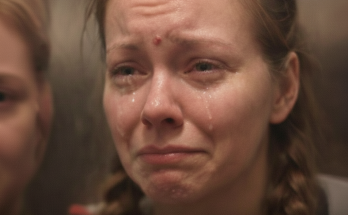
A knot formed in Ana’s throat. She had spent weeks building invisible defenses, preparing for criticism that never came.
When Carlos returned, he found them chatting easily.
Ana smiled at him, and he understood that something meaningful had shifted.
That evening, Carmen shared stories from Carlos’s childhood—about the treehouse that collapsed in the garden and the puppy he secretly kept in his room for a week. Carlos protested between laughs, and Ana laughed freely for the first time.
Later, Ana stepped outside. The night sky above the village glittered with stars, clearer than anything she saw in the city.
Carlos slipped a jacket over her shoulders.
“So?” he asked softly.
Ana glanced toward the glowing kitchen window where Carmen’s silhouette moved.
“I was wrong,” she admitted. “I let other people’s experiences shape my fear.”
Carlos squeezed her hand. “Sometimes you have to see for yourself.”
The next day, Carmen invited Ana into the garden.
She showed her how to care for herbs and trim the roses. She explained without correcting every movement, giving her space to learn.
As they worked, Carmen spoke about the years Carlos had studied away from home, the loneliness she felt, and the pride she carried watching him grow. Ana began to see not a threat, but a woman who had also known worry and love.
At lunch beneath the trees, Carmen said gently, “All I ask is honesty.
If I ever make you uncomfortable, tell me. I’d rather have a sincere conversation than silent resentment.”
When it was time to leave, Ana didn’t feel relief—she felt something closer to nostalgia. Carmen hugged her warmly.
“Come back soon.
And next time, I’ll visit you in the city.”
Instead of anxiety, Ana answered without hesitation. “We’d love that.”
On the drive home, Carlos glanced at her. “Everything okay?”
Ana watched the fields fade behind them.
“More than okay. I realized fear often comes from assumptions. Sometimes you just have to give people a chance.”
Carlos smiled.
“I’m glad you did.”
“So am I.”
That night, as Ana lay in bed, she noticed something had changed. The word mother-in-law no longer stirred tension. Instead, she thought of a warm kitchen, homemade cake, and an honest conversation that marked the beginning of something new.
She understood then that family isn’t forced into place.
It’s built—slowly, carefully—through patience, trust, and the willingness to let go of prejudice.